Brightening the Hands Brightens the Whole Soma
As summer approaches and we move towards Solstice we’re also (sadly!) moving towards the end of this 9-week Somatic Movement series. This week’s focus was on the hands and feet — always a fun, rich learning experience! Each time I teach this lesson or similar I’m struck by the curiosity, wonder and awe on each student’s face as they brighten their brain’s capacity for sensing and using the hands. It’s like magic!
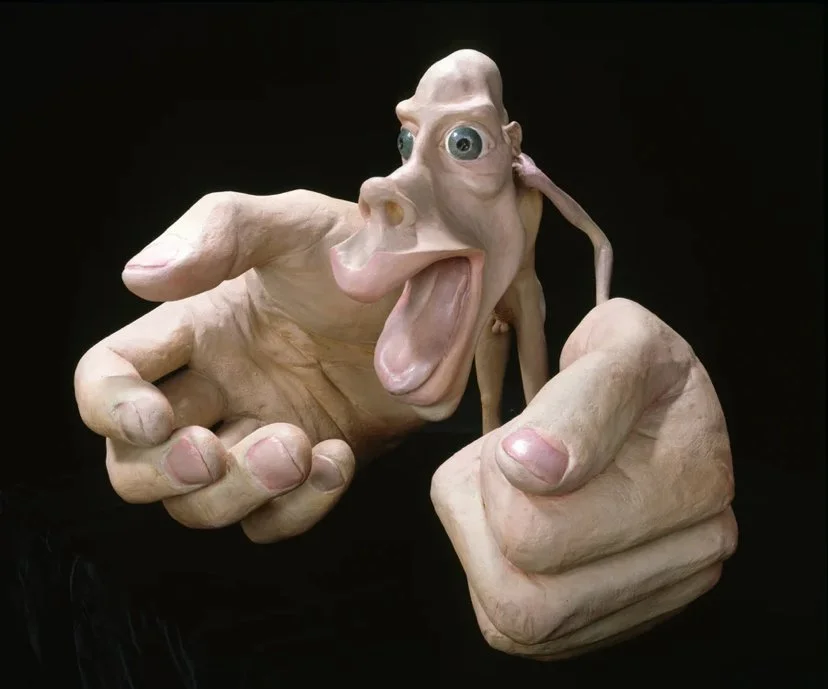
Our hands are amazing! The hands and face have the greatest amount of space in our Sensory-Motor Homunculous, the brain map of the body. This neural body maps out a cortical representation of the human body from bottom to top, with one very unusual feature: the immense amount of space allocated to the hands and face contrasted with the small amount allocated to the legs and trunk. The legs and trunk are a minor portion of neural structure, even though they are a major portion of bodily structure, because in evolutionary terms the hands and face were and are the most crucial to our survival.
As a species we have evolved successfully over millions of years, and the greatest investment of neuronal space allocated to the hands and face demonstates this. In the words of Thomas Hanna “The homunculous lets us know that having a hand with fingers and a face with a mouth is crucial for our survival.” To exist we have to eat, and to eat we must manage to find food, hold it, and bring it to our mouth. Our fingers have an amazingly rich and complex neuronal supply of nerves for the intracacies of handling and manipulating. The face and tongue has huge neuronal space also, showing the importance of the mouth not only for eating but for communicating with speech — we humans are language users who communicate, and tool makers who, amazingly, carved structured symbols, lines and dots to record information as long as 40,000 years ago.
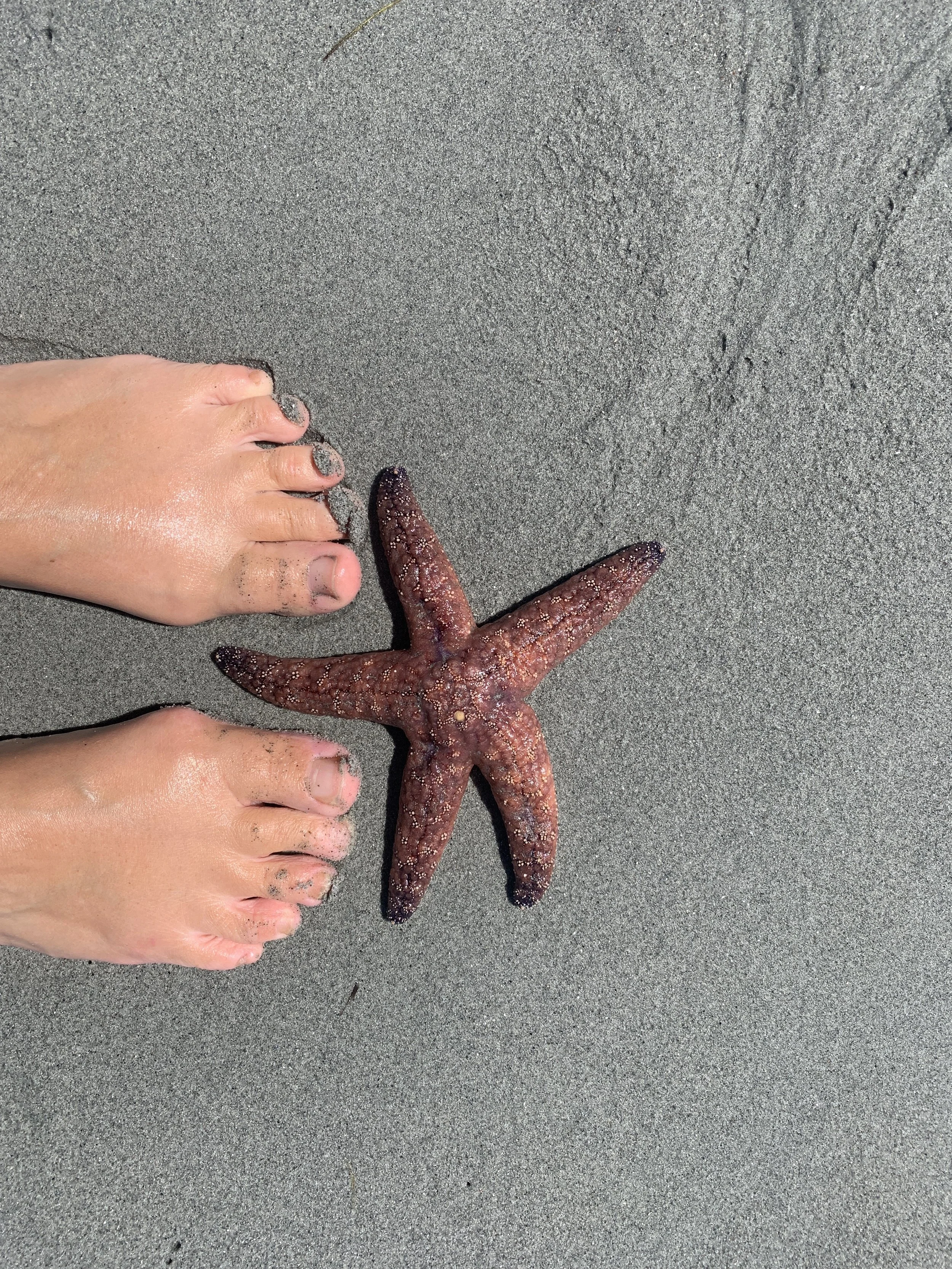
Our feet are also immensely intelligent, but being cooped up in shoes and socks the majority of the time they lose their dexterity over time (see separate blog post). However, thanks to Somatics, using awareness as we move we can brighten up any place we choose to place our attention, enabling it to function better (e.g. one hand or a hand as part of a pattern).
So, back to class. A Somatic Movement practice is essentially a practice that gives us choices in how we move, feel and behave. Awareness is the key — how we move and how we feel has to do with our sensory-motor nervous system functioning optimally. Improving our ability to both sense and move the hands greatly influences how well we can sense and move the rest of us — neurons that fire together wire together! Brightening our hands brighten our whole self.
Think about how limited our use of our hands has become due to cultural and envirmental influences. In simple terms, we now jab at keyboards instead of write, and due to the prevalance of smart phones, we repeatedly doom-scroll and swipe, eat the same habitual way with knives and forks and hold the steering wheel in the same habitual way when we drive. This limits our choices. Habit allows us to do things quickly but how much of our true potential are we losing as life becomes more and more automated. How limited is your use of your hands? Do you have variety? Parhaps you paint, draw, climb trees, collect seashells and driftwood, walk barefooted in grass? What habits have you developed — have your hands habituated certain patterns of movement? When our senrory-motor loop isn’t getting new and varied information it becomes dull. It’s like turning down the lights on a dimmer switch — the system lacks diversity and complexity and our movement and our selves become robotic. Information from the hands links to our arms, shoulders, neck, head… neck pain anyone?
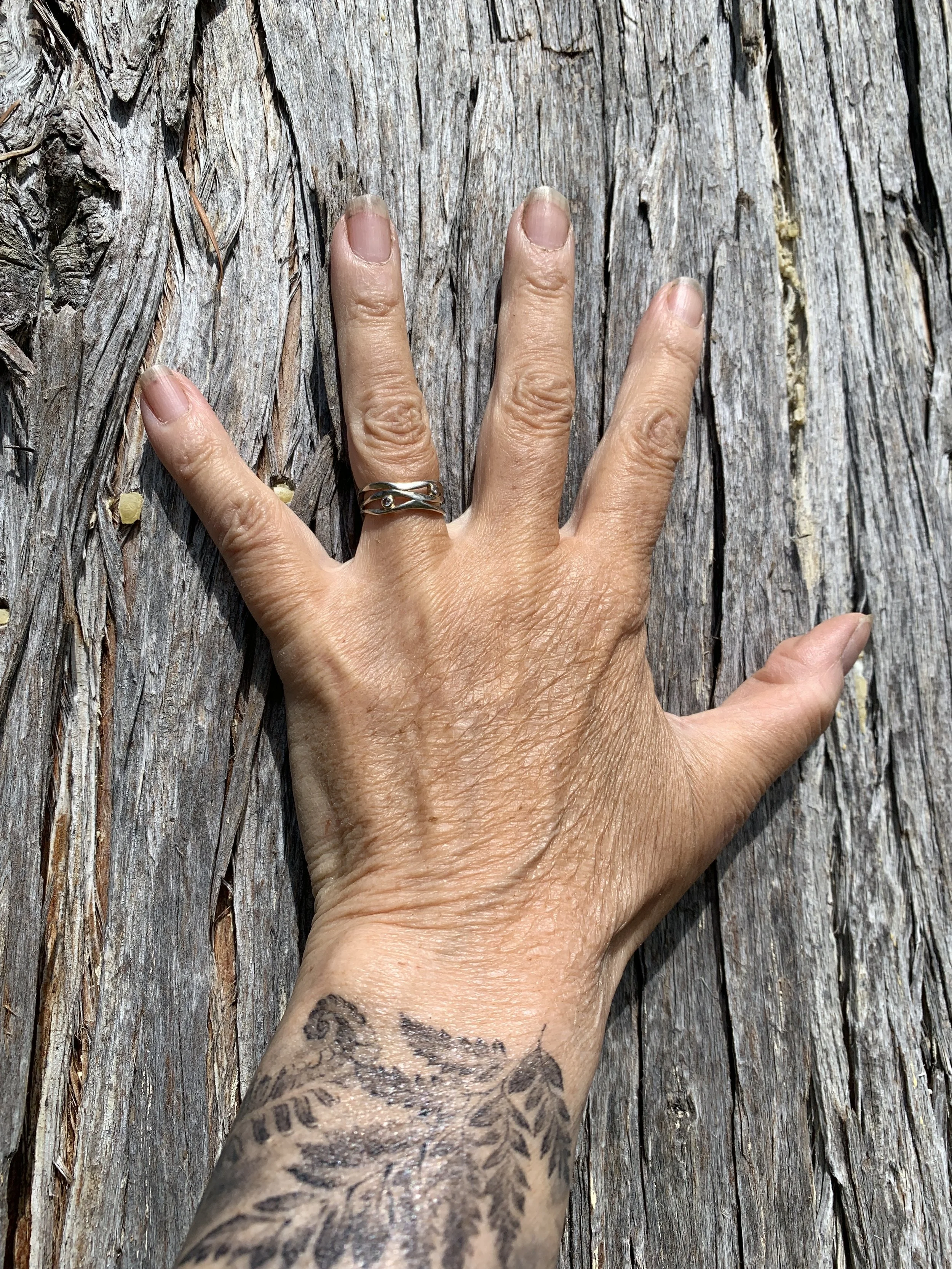
With this reviewed (education componement), in class we then traced the shapes of each finger and thumb, sensing the information and explored bending our joints in different ways. We marvelled how truly incredulous our hands are! We then explored some pandiculation of our arms, using differentiation, and moved on to exploring our feet and legs. Students walked around the hall after exploring just one side. Incredulous students commented that the side we’d paid attention to was moving more fluidly and was more vivid — proprioceptively enhanced or brightened (where a body part is in space). The other side felt dull and block like.
This work, and my students, never ceases to inspire and motivate me. It may feel like magic, but it’s science! Happy exploring :)